Tesla SpaceX Merger Explored by Special Committees
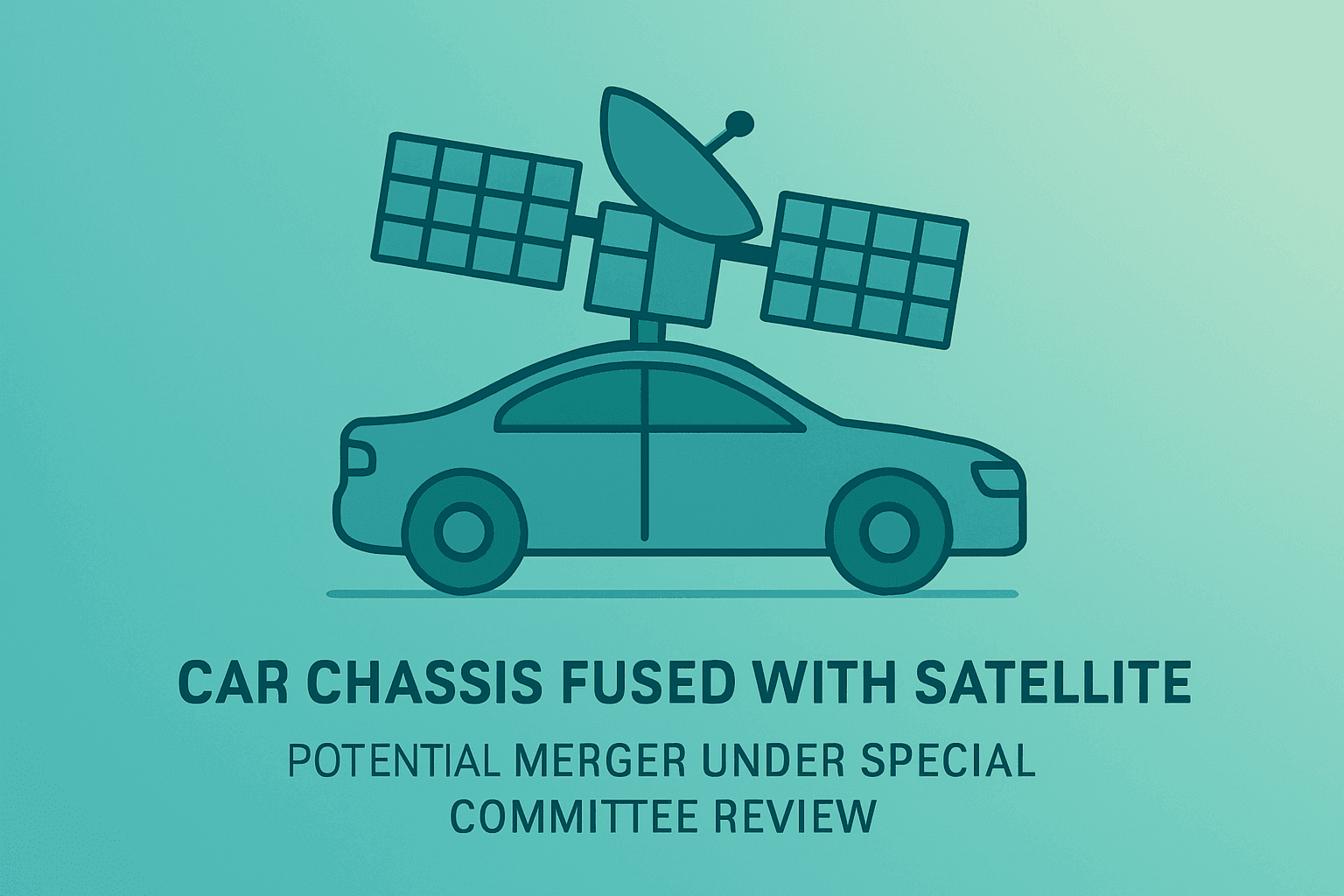
Special independent committees will vet a Tesla SpaceX merger and Musk's recusal raises the shareholder approval hurdle, shaping near-term positioning.
KEY TAKEAWAYS
- Special independent director committees will review a possible Tesla SpaceX merger with Musk recused.
- Tesla shareholder approval requires holders of 50% of all outstanding shares, a higher test.
- Committees had not agreed on terms and no deal was assured, leaving timing and likelihood uncertain.
HIGH POTENTIAL TRADES SENT DIRECTLY TO YOUR INBOX
Add your email to receive our free daily newsletter. No spam, unsubscribe anytime.
Tesla Inc. (TSLA) and Space Exploration Technologies Corp. (SpaceX) have formed special independent director committees to explore a possible merger, Elon Musk said on Oct. 20, 2026. Musk, who leads both companies and holds significant stakes in each, said he is recused from the discussions due to conflicts of interest. He also cautioned that the committees have not agreed on any terms and that no deal is guaranteed.
Special Committees and Musk’s Recusal
At shareholders’ request, Tesla and SpaceX each appointed special committees of independent directors to review the potential merger. Musk said he cannot participate in these discussions because of his role as chief executive and major shareholder of both companies. Tesla’s board includes seven directors who meet Nasdaq’s independence standards, but Musk did not disclose the committees’ membership.
Musk discussed the committees during SpaceX’s third-quarter 2026 earnings call, emphasizing that the panels have not reached agreement on transaction terms. He warned against assuming the merger is certain, underscoring the exploratory nature of the process.
Approval Threshold and Strategic Rationale
Any transaction would require approval from holders of 50% of all outstanding Tesla shares, a threshold Musk described as a “quite high hurdle” that exceeds a simple majority of votes cast. Tesla’s annual proxy, filed on Oct. 19, 2026, did not mention a merger proposal. The company’s annual meeting is scheduled for Dec. 3, 2026.
Musk outlined potential synergies that could justify closer integration, including cooperation on artificial-intelligence software, chip design, robotics, connectivity, the Terafab semiconductor project, and mass-to-orbit capabilities linked to SpaceX’s satellite network. However, the committees have not agreed on valuation, exchange ratios, form of consideration, timetable, or other customary deal terms.
The combination of special-committee oversight, Musk’s recusal, and the stringent shareholder-approval requirement leaves the prospect of a merger uncertain as Tesla approaches its annual meeting.