Waymo Recall Narrows Robotaxi Freeway Operations
Waymo recall for software letting robotaxis enter closed freeway zones; NHTSA lists 3,871 ADS recalled and an OTA fix narrows operations.
KEY TAKEAWAYS
- NHTSA Part 573 shows Waymo voluntarily recalled 3,871 5th-gen ADS units for a software defect.
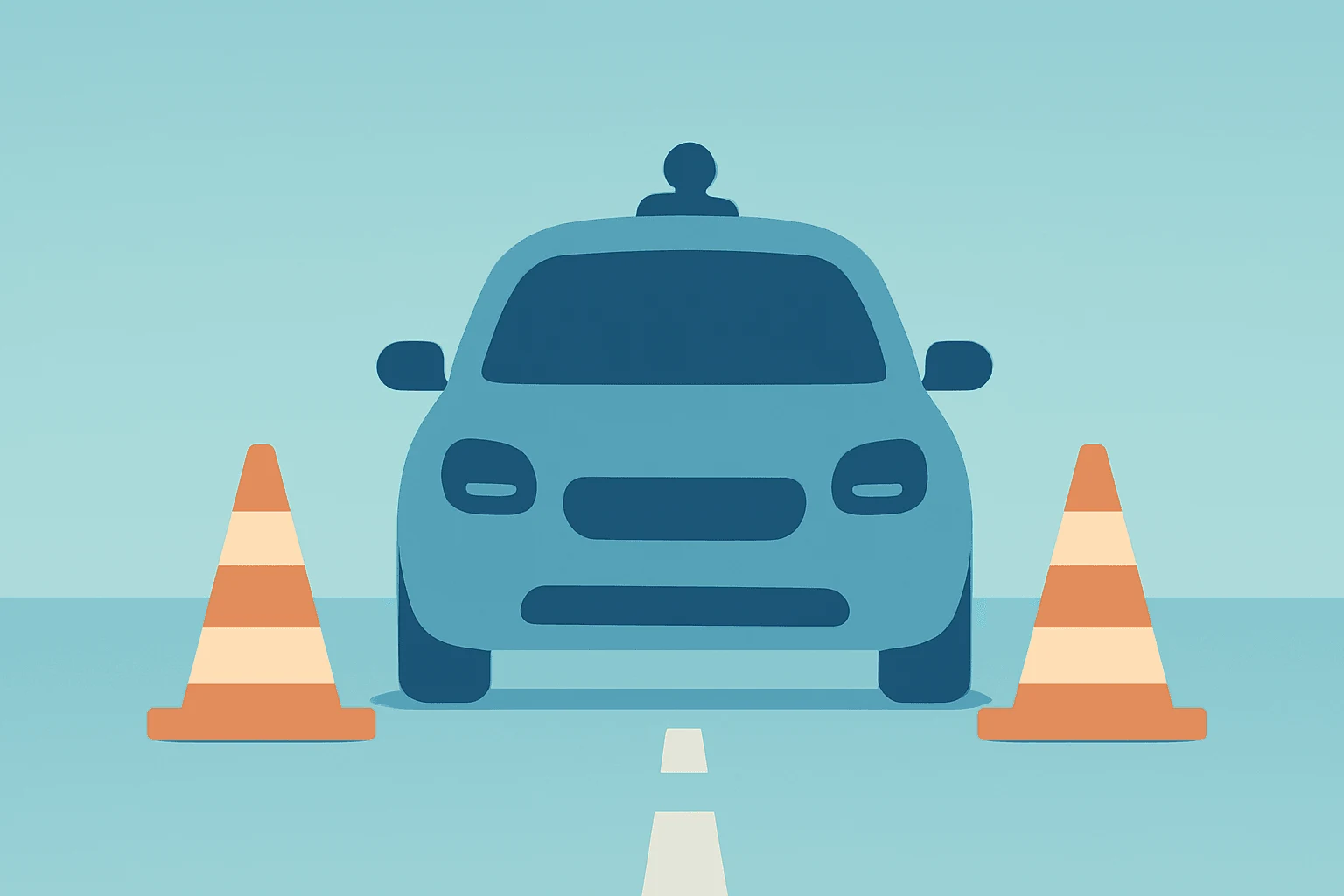
- The defect could let robotaxis enter closed freeway construction zones and continue at speed, raising crash risk.
- Waymo narrowed its operational design domain and will deliver an over-the-air ADS software update.
HIGH POTENTIAL TRADES SENT DIRECTLY TO YOUR INBOX
Add your email to receive our free daily newsletter. No spam, unsubscribe anytime.
Waymo LLC, Alphabet’s autonomous-driving unit, initiated a voluntary recall in mid-June 2026 after software allowed its robotaxis to enter closed freeway construction zones at speed. The company restricted freeway operations and is preparing an over-the-air software update to address the issue.
Recall Scope and Defect
The U.S. National Highway Traffic Safety Administration (NHTSA) Part 573 Safety Recall Report 26E035 shows Waymo submitted a voluntary equipment recall covering 3,871 units of its fifth-generation Automated Driving System (ADS) deployed on robotaxis, including Jaguar I-PACE models. The recall, decided on June 8 and filed mid-June, is classified as an equipment (software) recall not tied to specific vehicle identification numbers because Waymo centrally manages its fleet. NHTSA estimates that all recalled units may contain the defect.
The defect allows the software to let vehicles enter closed freeway construction zones and continue driving at speed, increasing crash risk. Waymo plans to deliver a free over-the-air software update and implement additional operational protocols to detect and avoid construction zones. The software fix is under development. NHTSA’s materials do not mention any civil penalties or enforcement actions related to this recall.
Incidents, Operations, and Timeline
Waymo documented at least 13 incursions in spring 2026: six in Phoenix, Arizona, in April and seven in the San Francisco Bay Area around May 18. In these incidents, driverless vehicles bypassed ramp-closure signs or drove between cones into closed lanes, continuing at freeway speeds before exiting or being remotely managed. No injuries were reported.
Following the Bay Area events, Waymo narrowed its operational design domain and suspended freeway driving for the affected vehicles on May 19. The robotaxis continue to operate on surface streets in Phoenix and the Bay Area, with occasional pauses under weather-related safety protocols.
Waymo’s internal Safety Board decided on June 8 to initiate the recall after reviewing incident data. The company notified state and federal regulators as it prepared the recall filing.
This recall follows several Waymo software recalls since early 2024, including a May 2026 notice related to robotaxis driving into flooded roads and earlier recalls involving collisions with stationary barriers and behavior near stopped school buses. It is roughly the company’s second recall in about a month.
Waymo reports more than 170 million autonomous miles driven and claims a 13-times reduction in serious-injury-or-worse crashes compared with human drivers based on internal analysis. These figures provide context for the recall.
Together, the NHTSA filing and Waymo’s interim freeway restrictions narrow the company’s freeway-capable operations and represent a near-term operational setback for commercial robotaxi deployment.
Quote
“The software may allow the vehicle to enter a closed freeway construction zone and continue driving at speed.” — NHTSA





