Waymo Ojai Robotaxi Launch Targets Lower Fleet Costs
Waymo Ojai robotaxi launch unveils a cheaper, roomier minivan with a sixth-generation Driver and select public rides, aimed at lowering fleet costs.
KEY TAKEAWAYS
- Waymo began select public Ojai rides in San Francisco, Los Angeles and Phoenix on May 28, 2026.
- Waymo will start Ojai public service with 100 vehicles inside a roughly 4,000-car fleet.
- Ojai pairs a cheaper, roomier Zeekr-based minivan with a sixth-generation Driver and a reduced sensor suite.
HIGH POTENTIAL TRADES SENT DIRECTLY TO YOUR INBOX
Add your email to receive our free daily newsletter. No spam, unsubscribe anytime.
Waymo, Alphabet’s autonomous-driving unit (GOOG, GOOGL), began select public rides in San Francisco, Los Angeles, and Phoenix on May 28, 2026, unveiling the Ojai, a roomier, cheaper-to-manufacture minivan designed to reduce the cost of expanding its robotaxi fleet.
Fleet Costs and Rollout
Waymo plans to start public Ojai service with 100 vehicles across the initial cities, joining a fleet of roughly 4,000 cars. The Ojai is central to Waymo’s effort to lower fleet costs by replacing retrofitted consumer models with a vehicle engineered for higher-volume production and easier servicing.
After the initial rollout, Waymo intends to add Ojai service in San Diego, Las Vegas, and Denver later this summer. Trips in the first markets will be free for a limited time. Early access will be limited to select riders within existing Waymo One service areas, who may be offered an Ojai or matched automatically to the vehicle best suited for their trip.
On May 21, Waymo suspended freeway robotaxi service in several cities to address performance issues in construction zones while maintaining surface-street operations. The company aims to scale to as many as 1 million paid rides per week by the end of 2026, contingent on expansion and software updates.
Design and Driver Technology
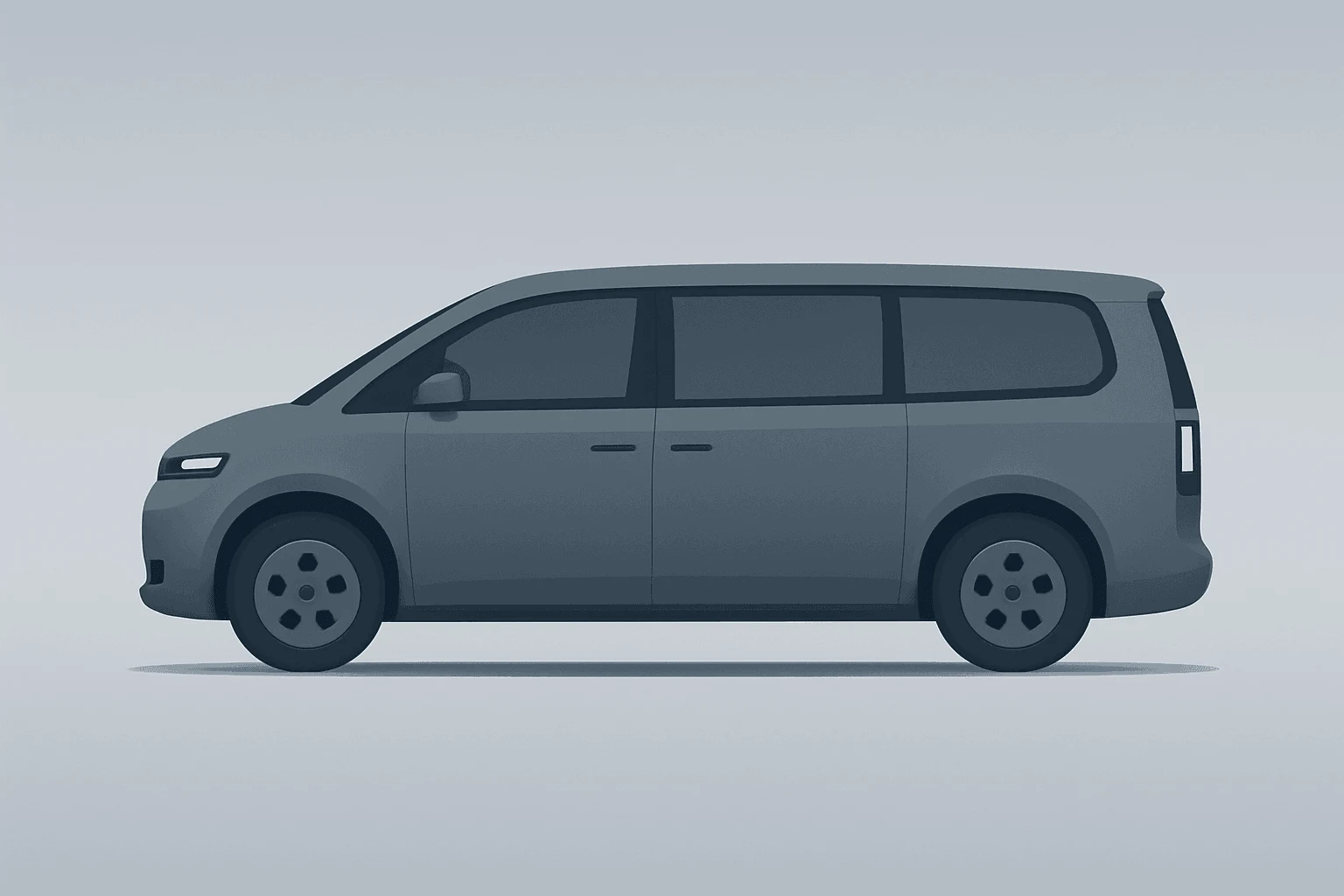
The Ojai is the first new vehicle type added to Waymo’s public robotaxi fleet. It is a boxy, purpose-built electric minivan based on a Zeekr Geely platform manufactured in Ningbo, China, and finished in Mesa, Arizona, where Waymo performs final assembly and integrates its autonomy hardware and software.
The cabin seats four passengers, matching Waymo’s Jaguar I‑PACE vehicles, but early riders described the interior as cavernous, with notably increased legroom and luggage capacity, comparable to a small Sprinter van. Sliding carriage-style doors ease entry and loading for families and baggage. Rear passengers have three large adaptive screens and larger control displays, while the windshield offers a wider field of view than the Jaguar-based setup. The vehicle includes a steering wheel and driver’s seat at launch, but the steering wheel is engineered to be removable, potentially allowing a fifth passenger seat in future configurations.
Ojai debuts Waymo’s sixth-generation Driver, the combined hardware and software autonomy stack. It uses a smaller sensor suite—four lidars, six radars, and 13 cameras—compared with the Jaguar I‑PACE’s five lidars, six radars, and 29 cameras. This pared-down hardware and new Driver aim to enable fully autonomous operations in snowier cities and support higher-volume, easier-to-service robotaxi operations consistent with Waymo’s rider-first design goals.