Ryanair Profit Falls as Fares Drop, Fuel Costs Rise
Ryanair profit falls after lower fares and unhedged jet fuel squeezed margins, prompting traders to weigh traffic guidance versus buyback completion.
KEY TAKEAWAYS
- Profit fell 34.0% as lower fares and unhedged fuel spikes squeezed margins.
- Passenger traffic rose 6.0% to 61 million while fares fell 6.0%.
- Q2 pricing was described as trending modestly down and FY27 traffic guidance was reaffirmed.
HIGH POTENTIAL TRADES SENT DIRECTLY TO YOUR INBOX
Add your email to receive our free daily newsletter. No spam, unsubscribe anytime.
Ryanair profit falls after the Dublin-listed carrier reported first-quarter results on 20 July, saying lower fares and a spike in unhedged jet-fuel costs squeezed margins and prompting management to warn summer fares may remain modestly below last year.
Q1 Results and Drivers
Ryanair Holdings plc (tickers RYAAY, RYAOF), primarily listed in Dublin, reported fiscal first-quarter results for the three months ended June 30. Profit after tax fell 34.0% year-on-year to €538 million from €820 million. Revenue edged up 0.9% to €4.4 billion, while operating costs rose 11.0% to €3.8 billion.
Passenger traffic increased 6.0% to 61 million, but revenue per passenger declined 5.0%, and schedule revenue—ticket and ancillary receipts tied to flights—fell 1.0% to €2.9 billion. Average fares dropped 6.0% year-on-year, which management attributed to softer consumer sentiment linked to the Iran/Middle East conflict and the timing of Easter holidays falling in the prior-year quarter.
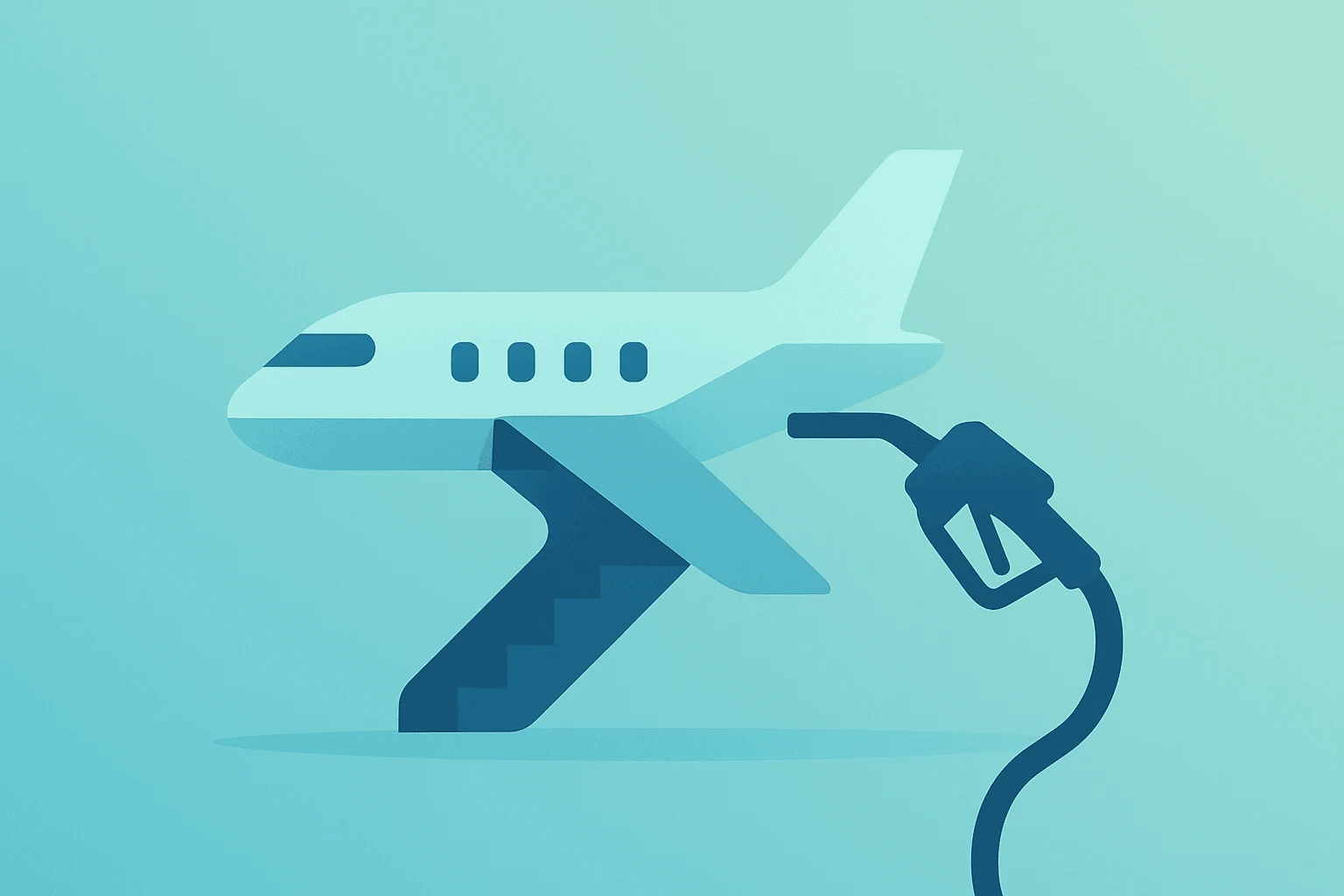
Management highlighted its fuel hedging position, with around 80.0% of FY27 fuel hedged and roughly 20.0% unhedged. Spikes in unhedged jet-fuel prices weighed on the quarter, contributing to the profit decline.
Balance Sheet and Outlook
The group remains debt-free and operates an unencumbered fleet of 620 Boeing 737 aircraft. Gross cash stood at more than €2.8 billion as of June 30, after €1.3 billion of debt repayments and €0.5 billion of capital expenditure. The company repaid its final €1.2 billion bond in May, and a €1.1 billion revolving credit facility is mostly undrawn.
The €750 million share buyback program is about 90.0% complete, with over 25 million shares purchased and cancelled at an average price of €26.35 per share. Management identified MAX-10 aircraft capital expenditure, dividends, and completing the buyback as near-term funding priorities while aiming to rebuild gross cash toward about €4.0 billion.
Management reaffirmed full-year FY27 traffic guidance of 216 million passengers, a 4.0% increase. It expects traffic to rise 6.0% in the first half and 2.0% in the second half. On the earnings call, management said, "Q2 pricing is now trending modestly down year over year," reflecting weaker summer fares than previously expected.