Oil Prices Rise on U.S.-Iran Tensions Near Hormuz
Oil Prices Rise as tanker strikes and U.S.-Iran exchanges shrink Strait of Hormuz flows, lifting supply-risk premia while OPEC+ held October quotas.
KEY TAKEAWAYS
- Tanker strikes and U.S.-Iran exchanges raised supply-risk premia around the Strait of Hormuz.
- OPEC+ kept October production quotas unchanged, maintaining formal supply policy.
- Falling Hormuz transits tightened seaborne flows and increased exposure to further disruptions.
HIGH POTENTIAL TRADES SENT DIRECTLY TO YOUR INBOX
Add your email to receive our free daily newsletter. No spam, unsubscribe anytime.
Oil prices rose as escalating U.S.–Iran military exchanges around the Strait of Hormuz and recent tanker attacks reduced transit flows, while OPEC+ left October quotas unchanged on Sept. 7, 2026, increasing supply-risk premia for traders.
Tanker Attacks and Military Strikes
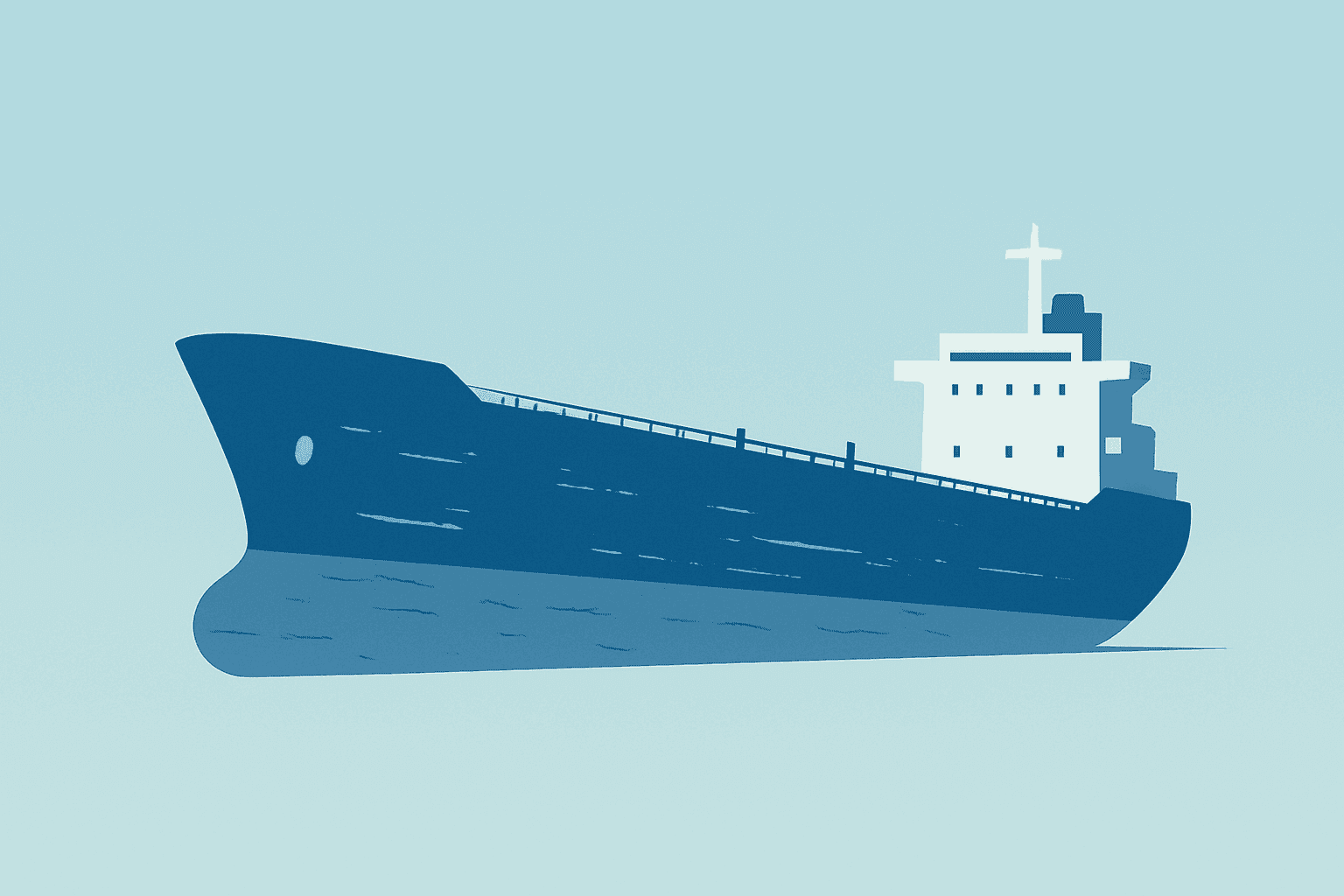
UK Maritime Trade Operations reported two tanker strikes near the Strait of Hormuz on Aug. 31, 2026. One tanker was hit by three unknown projectiles about 17 nautical miles east of Khasab, Oman, during outbound transit, and another was struck by an unknown projectile 12 nautical miles north of Khasab while inbound. Both incidents occurred between 2000 and 2053 UTC with no casualties or environmental damage.
Maritime-risk and vessel-tracking data later identified the damaged vessels as very large crude carriers carrying Saudi oil, including the Saudi-owned tanker SIDR. Crews were reported safe. Saudi Arabia’s Foreign Ministry condemned what it described as an Iranian attack on SIDR, which it said killed two Philippine crew members. The national carrier Bahri confirmed the tanker was involved in a security incident. Iran’s Revolutionary Guard said two tankers caught fire after striking naval mines.
U.S. Central Command said American forces struck three Iranian oil tankers after the Islamic Revolutionary Guard Corps (IRGC) fired ballistic missiles toward two U.S. Navy warships. CENTCOM said it permanently disabled the crude carriers M/T Downy off Kharg Island and M/T Stark 1 near Jask and completely destroyed the unladen M/T Kylo in the Gulf of Oman after ordering crews to abandon ship. CENTCOM described the vessels as part of a shadow network used to fund the IRGC and warned it would, if necessary, "destroy Iran’s limited and exposed oil fleet."
Iran’s naval forces said they targeted three oil tankers on routes Tehran deemed unauthorized and struck three U.S.-affiliated vessels elsewhere. Iranian statements blamed some incidents on mines and missiles. U.S. military officials disputed claims that U.S. ships were hit and denied that ships in the strait struck mines.
Strait of Hormuz Flows and Market Reaction
Shipping analytics show a sharp slowdown. Kpler data cited in reports put average commodity-ship transits through the Strait of Hormuz at about 10 per day over the past ten days, the lowest level since May, reflecting localized bottlenecks in seaborne logistics.
OPEC said in a Sept. 7 statement that seven OPEC+ members—Saudi Arabia, Russia, Iraq, Kuwait, Kazakhstan, Algeria, and Oman—agreed to keep October production levels unchanged from September. The combined quota for these countries is roughly 31.01 million barrels per day, with Saudi Arabia at 10.478 million bpd and Russia at 9.949 million bpd. The group reaffirmed its commitment to the Declaration of Cooperation and monthly market reviews.
Brent crude rose about 7.8% over the past week and West Texas Intermediate gained nearly 10%, pushing both benchmarks to near seven-week highs before moderating. Front-month contracts held steady after earlier gains. Market commentary attributes the risk premium supporting crude to resumed tanker strikes, falling Hormuz traffic, and unchanged OPEC+ output.
Analysts warned the supply picture could tighten further if disruptions persist. Argus Media’s chief economist noted dwindling global inventories and localized shipping bottlenecks around Hormuz could push futures back toward triple-digit levels if the security situation does not stabilize.
The combination of attacks on tankers, threats to transit routes, and steady OPEC+ output has increased the market’s sensitivity to further shocks, leaving crude prices more exposed to changes in Gulf shipping reliability.
Quote
“If necessary, destroy Iran’s limited and exposed oil fleet.” — U.S. Central Command