Nevada Robotaxi Permits Allow Tesla, Waymo, Uber
Nevada robotaxi permits let Tesla, Waymo and Uber offer paid driverless rides in Clark County, reshaping autonomous fleet rollout and investor outlook.
KEY TAKEAWAYS
- Nevada regulators approved AVNC permits converting test fleets into paid, driverless ride-hailing services.
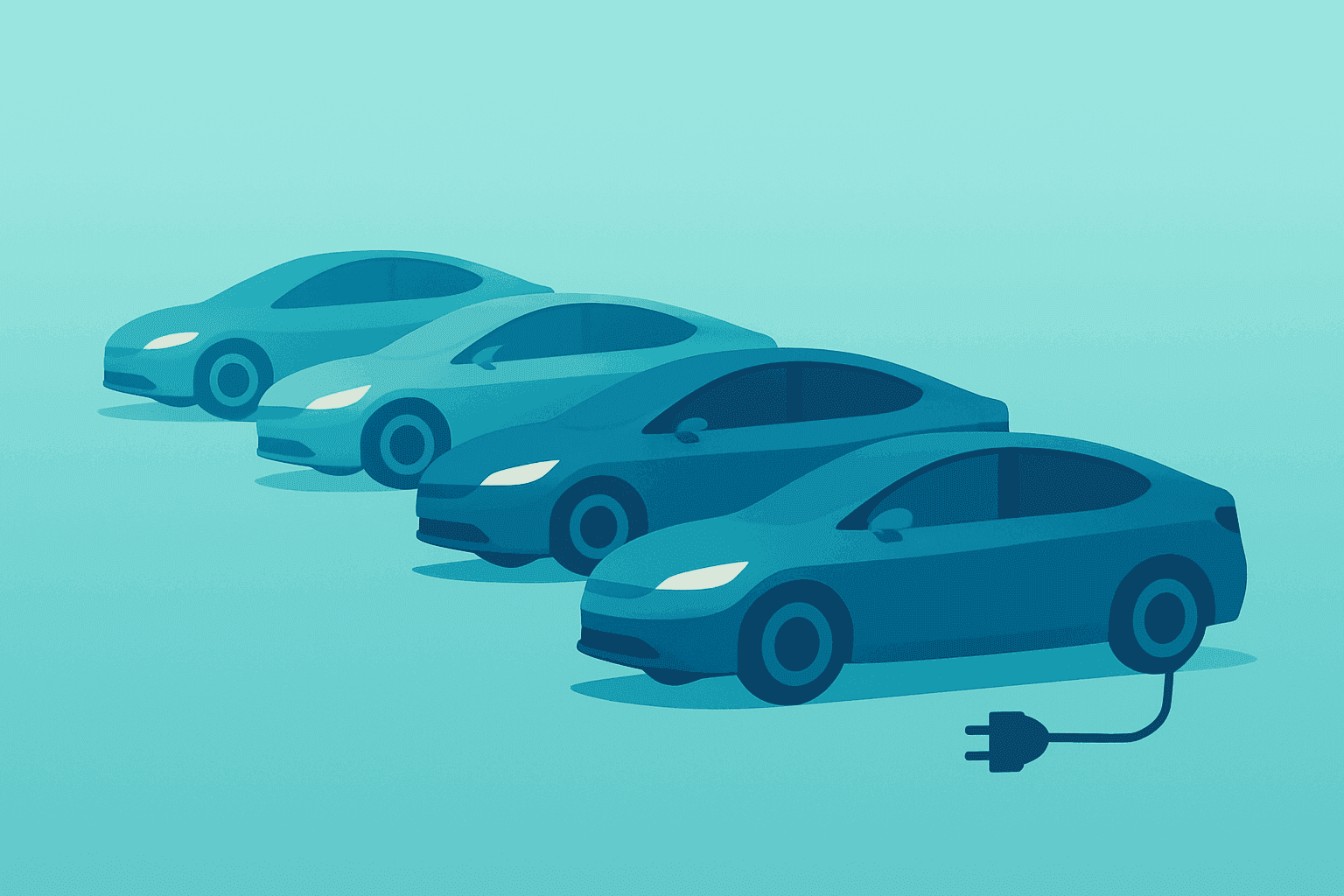
- Tesla received authorization for up to 5,000 robotaxis in a 12-month deployment window.
- Permits require inspections, insurance and fare filings and service must begin within 120 days or risk lapsing.
HIGH POTENTIAL TRADES SENT DIRECTLY TO YOUR INBOX
Add your email to receive our free daily newsletter. No spam, unsubscribe anytime.
The Nevada Transportation Authority unanimously approved robotaxi permits on Aug. 20, 2026, allowing Tesla, Waymo, and Uber to operate paid, driverless ride-hailing services in Clark County. The approvals clear regulatory hurdles for large-scale commercial deployments in the region.
Permits and Fleet Limits
The authority granted Autonomous Vehicle Network Company permits to Tesla Robotaxi LLC, Waymo, and Uber’s autonomous subsidiary, converting their test operations into commercial, fare-charging services with a 12-month deployment window. Tesla received authorization for a fleet ceiling of up to 5,000 fully autonomous vehicles in the first year. This replaces Tesla’s interim order that limited it to 10 vehicles confined to a narrow corridor along the Las Vegas Strip, with a 45-mph speed cap and restrictions on airport pickups.
Waymo’s permit allows deployment of up to 1,000 autonomous vehicles in Clark County over the next year. This adds fare-charging authority to its prior approval for fully driverless operation in Las Vegas. Uber’s autonomous unit was authorized for up to 1,000 robotaxis and plans to operate through partnerships with Motional and Zoox, using third-party autonomous vehicles rather than Uber-branded cars. Zoox retains a separate, preexisting permit for 100 robotaxis in Nevada.
Together, the new permits authorize up to 7,000 robotaxis across the three companies, with some accounts including Zoox’s existing permit to approximate a total of 8,000 vehicles.
Conditions and Timing
The permits require companies to submit vehicle inspection documentation, maintain maintenance and repair records, file insurance paperwork, and submit fare and rate schedules before charging riders. They must also provide customer-facing app information for regulatory review, including accessibility features, and report crashes and other incidents under the authority’s rules.
Operations must remain within the authorized geographic scope. Airport ground operations at Harry Reid International Airport require separate approval from the Clark County Department of Aviation before pickups are allowed. The authority mandates that service begin within 120 days of permit issuance or risk lapsing. Paid operations cannot start until all inspection, insurance, and fare-filing requirements are met.
Tesla completed Nevada’s robotaxi self-certification process in November 2025 and filed its permit application on June 3, 2026. Waymo and Uber filed their applications in June and July 2026, respectively. Investor accounts of the hearing indicated Tesla could begin commercial operations roughly 30 days after completing inspections, insurance, and fare filings. Tesla described the authorized ceiling as a maximum and set a more conservative internal target of about 2,500 vehicles in Nevada by 2027, starting with a smaller Model Y–based fleet and scaling gradually.