DoorDash Drone Delivery Launches After FAA Approval DASH
DoorDash drone delivery won FAA Part 135 certification, enabling BVLOS commercial flights and a fall 2026 rollout that alters logistics competition.
KEY TAKEAWAYS
- FAA Part 135 certification authorizes DoorDash to run commercial BVLOS drone flights.
- DoorDash Air, from DoorDash Labs, builds aircraft and infrastructure for eventual integration into the DoorDash app.
- Commercial deliveries are expected in fall 2026 with further details slated for a September 2026 product event.
HIGH POTENTIAL TRADES SENT DIRECTLY TO YOUR INBOX
Add your email to receive our free daily newsletter. No spam, unsubscribe anytime.
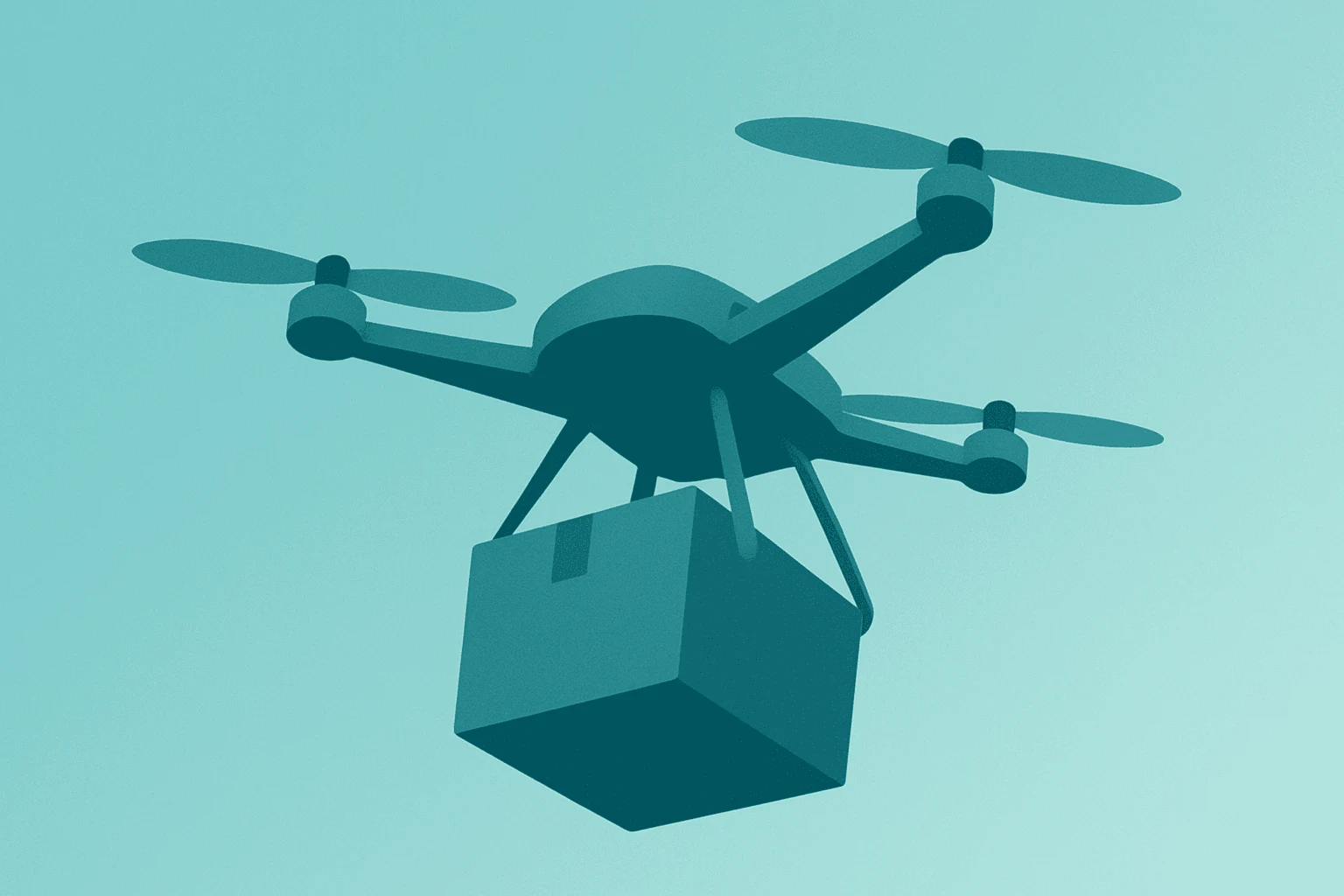
DoorDash (DASH) launched DoorDash Air, its in-house drone delivery program, on July 29, 2026, after receiving FAA Part 135 certification. This approval authorizes commercial drone deliveries and permits beyond-visual-line-of-sight (BVLOS) operations.
FAA Certification Enables Commercial Drone Deliveries
The FAA Part 135 certification allows DoorDash to operate commercial drone flights beyond the pilot’s line of sight, enabling large-scale routing and scheduling instead of limiting activity to local test flights. This regulatory clearance determines how broadly and quickly DoorDash can expand its drone service across markets.
DoorDash is the eighth U.S. drone operator to receive this certification, reflecting steady regulatory progress as companies transition from experimental programs to commercial operations.
DoorDash Builds In-House Drone Network
DoorDash Air was developed by DoorDash Labs, the company’s robotics and autonomy unit. DoorDash is building its own aircraft, ground infrastructure, and digital systems designed for eventual integration into the DoorDash app. These components—aircraft, landing support, and software—are intended to operate as a unified delivery system.
The program will run alongside existing partners Wing and Flytrex rather than replace them immediately. This hybrid model allows DoorDash to route demand across multiple suppliers while scaling its proprietary fleet and network.
A company spokesperson said commercial deliveries are expected to begin in fall 2026. DoorDash plans to share further details at its annual product event in September 2026, marking key milestones for the program’s rollout.