Uber Nissan Robotaxi MOU Targets Tokyo 2026
Uber Nissan Robotaxi MOU commits to a supervised Tokyo pilot by late 2026, creating a pathway that could reshape AV supplier and OEM positioning.
KEY TAKEAWAYS
- MOU commits Uber, Nissan and Wayve to develop robotaxis and prepare a supervised Tokyo pilot by late 2026.
- Pilot will use Nissan LEAFs fitted with Wayve's AI Driver using cameras plus LiDAR and radar sensors.
- Companies said the Tokyo trial could scale to Uber's broader network; no regulatory approvals were identified.
HIGH POTENTIAL TRADES SENT DIRECTLY TO YOUR INBOX
Add your email to receive our free daily newsletter. No spam, unsubscribe anytime.
Uber Technologies Inc., Nissan Motor Co. and UK autonomous software firm Wayve said in a Business Wire press release on Mar. 11, 2026, that they signed a memorandum of understanding (MOU) to develop robotaxis and will begin preparations for a supervised Tokyo pilot by late 2026.
MOU and Pilot Details
The MOU commits the companies to develop robotaxi services and start preparations immediately for a supervised pilot in Tokyo. Riders will hail vehicles through Uber’s app, and each car will carry a safety operator to oversee the autonomous system during the pilot. This approach focuses on a supervised rollout rather than an unmanned commercial service.
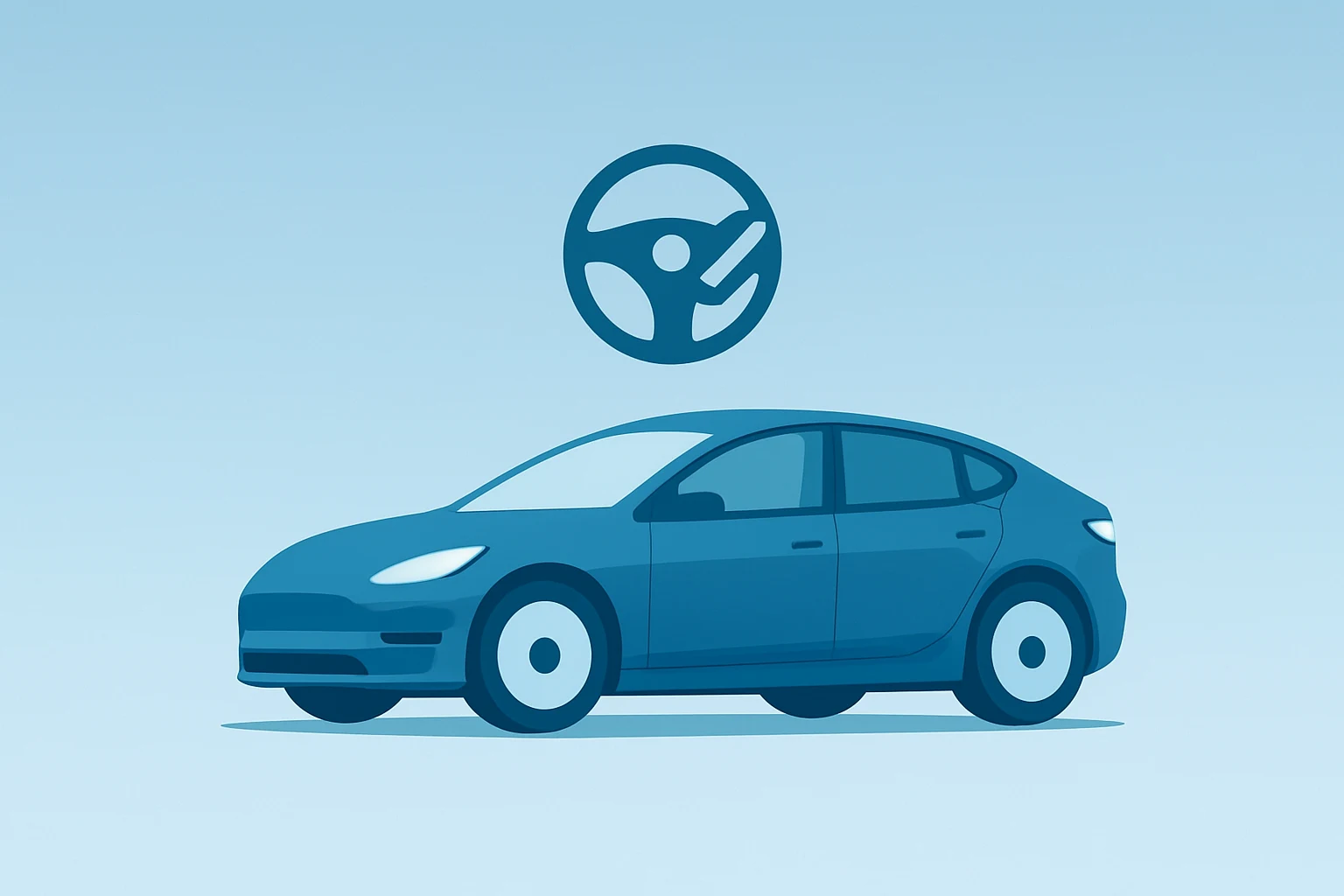
The pilot will use Nissan LEAF models equipped with Wayve’s AI Driver, which relies on surround cameras supplemented by LiDAR and radar sensors for navigation and safety monitoring. Using an existing electric vehicle platform highlights the emphasis on software integration with production vehicles rather than a custom robotaxi chassis.
Strategic Context and Outlook
This MOU marks Uber’s first autonomous-vehicle collaboration in Japan and extends Wayve’s existing partnership with Nissan. Wayve recently raised $1.2 billion to accelerate development of its AI Driver and plans to integrate the software into Nissan consumer vehicles for 2027 production.
The companies said the Tokyo pilot could scale to Uber’s wider network after the initial deployment, positioning the trial as a step from supervised demonstrations to broader commercial use. They will work with local partners and authorities to prepare the pilot. No regulatory approvals, filings, or government notices were identified following the announcement, and no SEC filings appeared in the 72 hours after the public disclosure.
Separately, autonomous-vehicle company Nuro is testing self-driving technology on Tokyo streets, but this activity is not part of the Uber–Nissan–Wayve collaboration.