Musk OpenAI Trial Nears Verdict
Musk OpenAI trial closing arguments put Sam Altman credibility and OpenAI governance at issue and could complicate leadership and capital plans.
KEY TAKEAWAYS
- Closing arguments centered on Sam Altman's credibility before jurors weighing governance and unjust-enrichment claims.
- Musk seeks Altman's removal and monetary relief to OpenAI's nonprofit arm after donating $38 million.
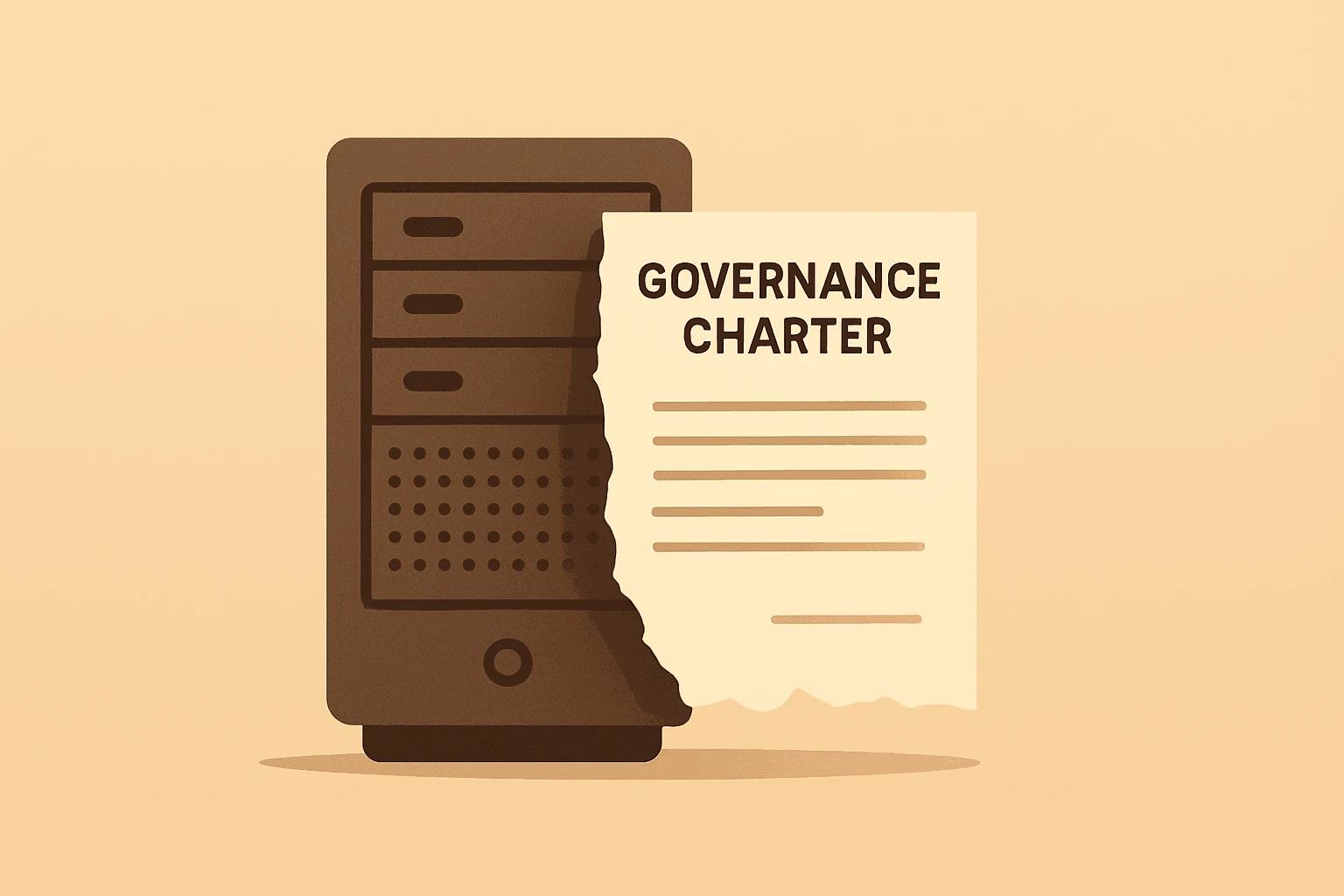
- A verdict removing Altman or redirecting funds could complicate governance and future capital plans.
HIGH POTENTIAL TRADES SENT DIRECTLY TO YOUR INBOX
Add your email to receive our free daily newsletter. No spam, unsubscribe anytime.
The Musk OpenAI trial reached closing arguments on May 14, 2026, in federal court in Oakland, focusing on whether the lab’s leaders honored early nonprofit commitments. Jurors must weigh the implications for governance, leadership, and the company’s future capital plans.
Jury Weighs Sam Altman Credibility
Closing arguments took place before a federal jury in Oakland, with U.S. District Judge Yvonne Gonzalez Rogers presiding. Plaintiff Elon Musk’s lead counsel, Steven Molo, centered his argument on Sam Altman’s credibility. Molo cited five witnesses—Musk, Ilya Sutskever, Mira Murati, Helen Toner, and Tasha McCauley—who described Altman as dishonest under oath. He highlighted early emails, texts, and documents as evidence.
Musk was absent from the courtroom during closings. Molo told jurors Musk was in China with President Donald Trump and other technology executives. A court spokesperson said it was unclear whether Musk had permission to travel while subject to recall. Judge Gonzalez Rogers rebuked Molo at a sidebar for implying Musk was not seeking monetary relief, emphasizing that Musk still seeks funds for OpenAI’s nonprofit arm.
Governance and Capital Stakes
The 2024 complaint alleges OpenAI shifted from a nonprofit research lab to a capped-profit model, breaching commitments to pursue AI for broad public benefit. It claims executives unjustly enriched themselves through equity, stock options, and related arrangements.
Musk invested roughly $38 million in OpenAI’s early years, contending he contributed funds based on assurances the organization would remain a nonprofit focused on AI safety and broad benefit. He seeks Sam Altman’s removal as CEO and from OpenAI’s board, along with monetary relief directed to OpenAI’s charitable arm. Musk withdrew a prior request for personal damages before trial.
OpenAI and Altman argue Musk knew of and supported the for-profit structure, sought majority control, and left after failing to gain it, later founding xAI. They contend the capped-profit model was necessary to attract outside capital—reported by commentators as billions of dollars—to fund large-scale AI research and infrastructure.
Trial testimony included Musk’s assertion that he conceived OpenAI as a charitable organization; Sutskever’s claim he spent about a year compiling evidence of Altman’s dishonesty; Brockman’s account of early discussions referencing broader projects like Mars colonization; and Altman’s detailed testimony on the lab’s founding intentions, the shift to a for-profit vehicle, and his falling out with Musk.
A verdict removing Altman or ordering funds redirected to OpenAI’s nonprofit arm would have immediate governance consequences and could complicate efforts to raise capital or pursue a public listing. These outcomes have been flagged as possibilities but are not established facts in the court record.
The case now moves to the jury for deliberations.