Fed Independence Tested After Powell Subpoenas
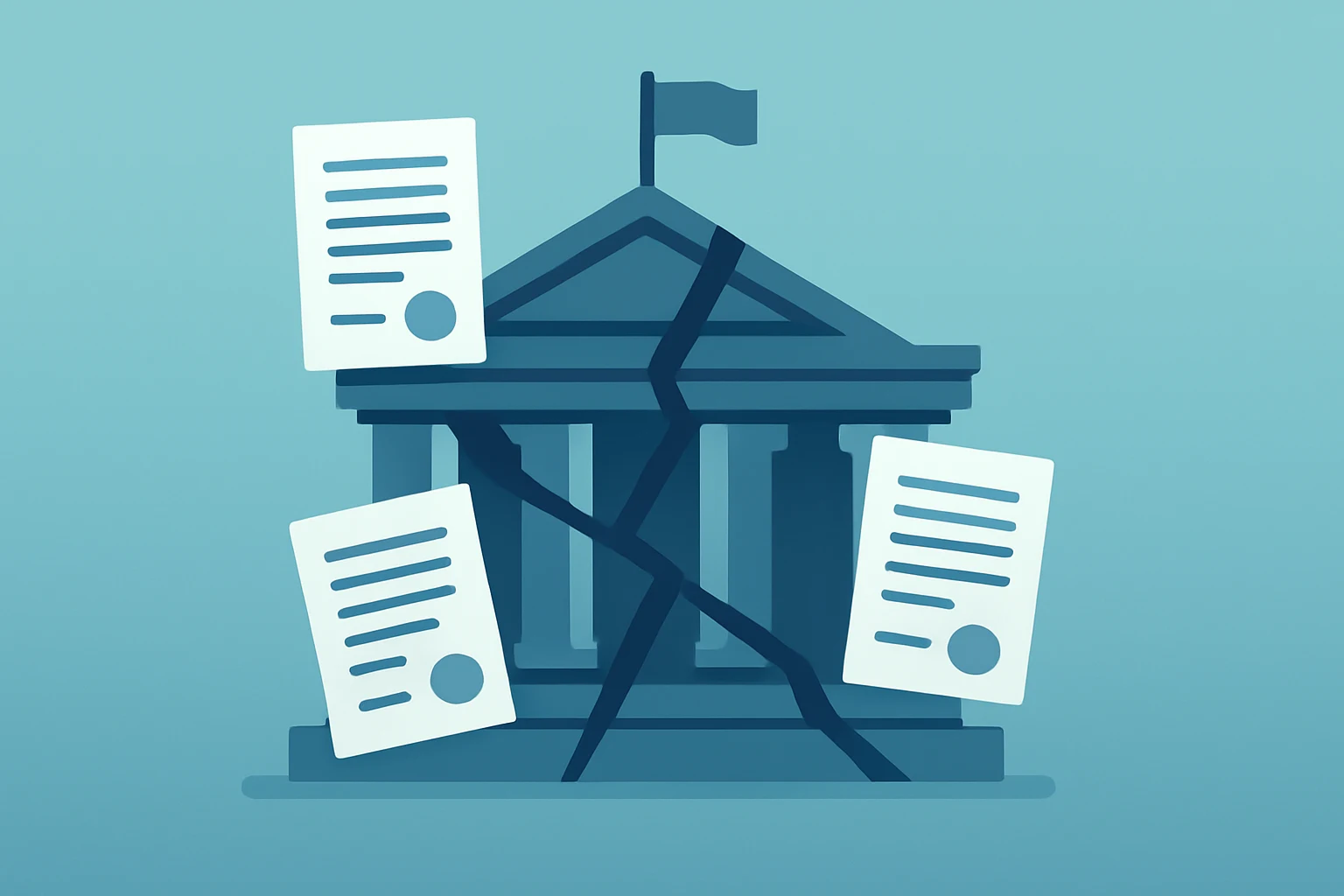
Fed Independence faces legal and political stress after DOJ subpoenas and presidential attacks, forcing traders to reassess the federal funds rate path.
KEY TAKEAWAYS
- DOJ grand-jury subpoenas targeted the Federal Reserve over Powell's June 2025 testimony and renovation cost overruns.
- President Trump's attacks pressured Jerome Powell and sought faster cuts to the federal funds rate near 1%.
- Lawmakers, Treasury and ten foreign central banks defended Fed independence, raising political resistance to removal efforts.
HIGH POTENTIAL TRADES SENT DIRECTLY TO YOUR INBOX
Add your email to receive our free daily newsletter. No spam, unsubscribe anytime.
Federal Reserve independence came under renewed strain after the Justice Department served grand-jury subpoenas on the central bank on January 9, 2026. Federal Reserve Chair Jerome Powell disclosed the subpoenas in a January 11 statement, framing the legal action as political pressure tied to interest-rate policy. On January 13, President Donald Trump repeated attacks on Powell, raising questions about the Fed’s credibility to manage inflation.
Subpoenas and Powell’s Response
The subpoenas focus on Powell’s June 2025 Senate testimony regarding renovations to two historic Federal Reserve office buildings that had not been updated since the 1930s. The project’s costs have ballooned to over $2 billion, and investigators are scrutinizing the accuracy of Powell’s testimony and the cost overruns. Powell disputed claims of ostentatious features, stating there was no new marble beyond replacements, no special elevators, and no rooftop gardens, though later documents noted vegetated roof areas.
In his January 11 statement, Powell said, "The threat of criminal charges is a consequence of the Federal Reserve setting interest rates based on our best assessment of what will serve the public, rather than following the preferences of the President."
Political Pressure and Market Implications
President Trump renewed his attacks on January 13, calling Powell "incompetent" or "crooked" and pressing for faster cuts to the federal funds rate toward nearly 1 percent. The federal funds rate stood at 3.5%–3.75% after reductions in fall 2025. Moody’s chief economist Mark Zandi has said there is room to trim policy to roughly 3 percent in a well-functioning economy.
Bipartisan lawmakers, including Senators Thom Tillis, Chuck Schumer, and Elizabeth Warren, defended the Fed’s independence. Tillis said he would not advance Fed nominees until the probe is resolved, and Warren urged blocking nominees. Treasury Secretary Scott Bessent warned the investigation risked becoming a distraction for economic policy. Ten foreign central banks issued a joint statement backing the Fed’s independence.
The legal and political battles intersect with a pending Supreme Court case. Oral arguments are scheduled for January 21 on the administration’s effort to remove a Fed governor, a hearing that could clarify the "for cause" firing standard as the administration seeks broader presidential authority. This dispute could delay rate cuts and increase the likelihood Powell remains on the Fed’s board through his governor term, which runs to January 2028. His chair term ends in May 2026, a timeline that could shape both leadership and market confidence in the central bank’s independence.
U.S. Attorney Jeanine Pirro said prosecutors had sought to raise concerns about cost overruns and testimony, but those outreach efforts were ignored. The Federal Housing Finance Agency director reportedly instigated the subpoena request but denied knowledge.





