Alibaba T-Head IPO Lifts Shares
Alibaba T-Head IPO plans prompted premarket buying, signaling investor appetite for domestic AI-chip exposure and boosting stock trading and options flow.
KEY TAKEAWAYS
- Report said Alibaba plans an IPO for T-Head after carving it into a standalone unit with employee ownership.
- Shares rose 4.6% in premarket trade, reflecting investor appetite for domestic AI-chip exposure.
- Restructuring aims to give investors direct exposure to Alibaba's chip development and cloud AI investments.
HIGH POTENTIAL TRADES SENT DIRECTLY TO YOUR INBOX
Add your email to receive our free daily newsletter. No spam, unsubscribe anytime.
Reporting on Jan. 22, 2026 indicated Alibaba Group Holdings (NYSE: BABA) is preparing an initial public offering for its AI chip unit, T-Head. The company plans to first restructure T-Head into a standalone business with partial employee ownership. The stock rallied in premarket trading following the news.
T-Head Restructuring and IPO Plans
T-Head, Alibaba’s in-house semiconductor division, designs and produces processors and accelerators for AI workloads in data centers and cloud computing. The unit focuses on chips that support large-model inference and other intensive cloud services.
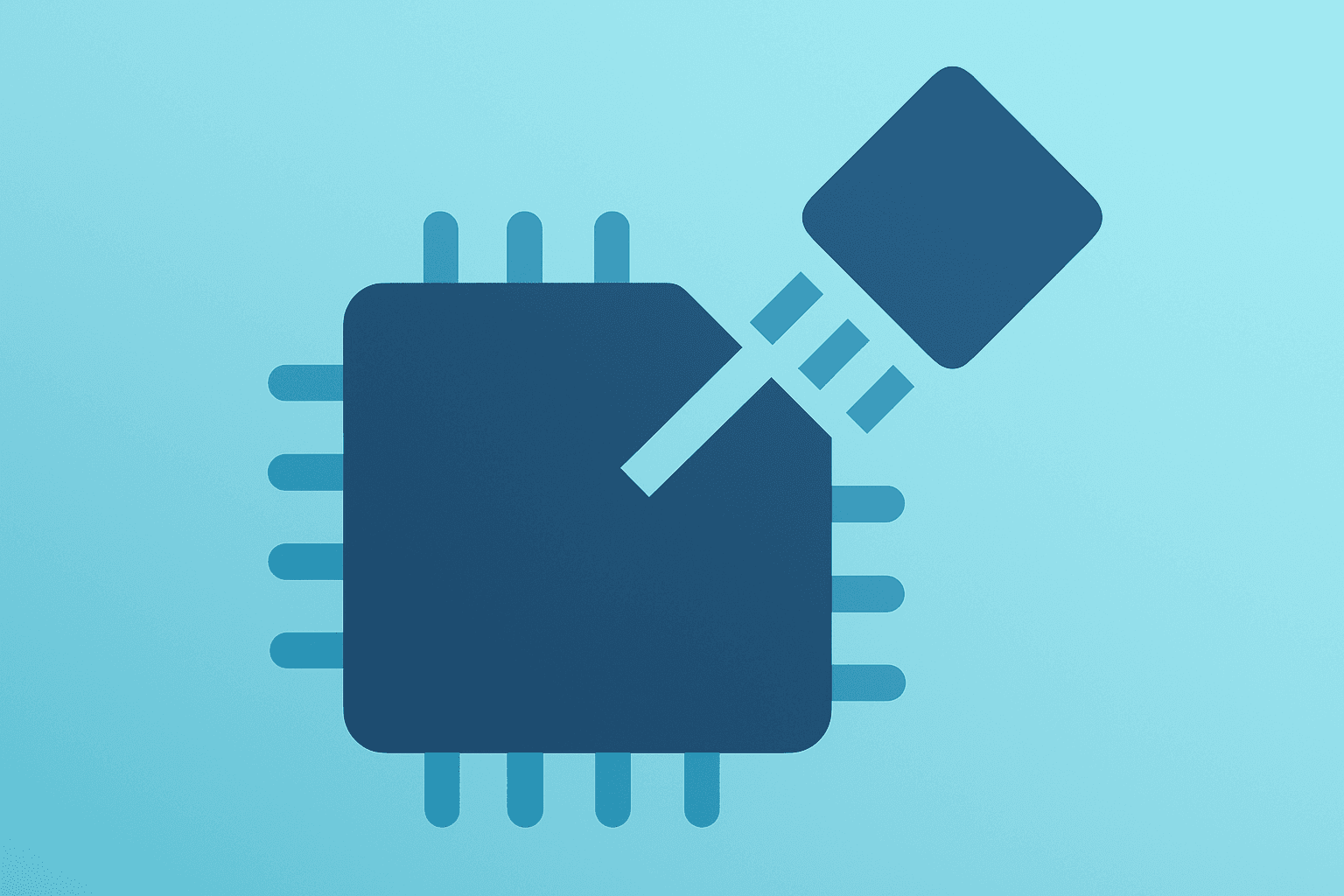
Alibaba intends to carve out T-Head as a separate entity with partial employee ownership before pursuing a public listing. This restructuring aims to give investors more direct exposure to Alibaba’s chip development and could help the parent company crystallize value tied to its cloud and AI infrastructure investments.
Strategic Context and Market Reaction
Alibaba has invested in chip design for years to secure supply for its large-scale data centers and cloud operations. The move to spin off T-Head aligns with efforts to build internal capabilities amid U.S. export restrictions on semiconductor technology to China and Beijing’s policy push to strengthen domestic semiconductor production.
The IPO plan also responds to investor demand for alternatives to Nvidia’s AI accelerators. Recent debuts and funding rounds by rival Chinese chipmakers, including Moore Threads Technology, have heightened interest in domestic AI-hardware businesses.
Shares rose 4.6% in premarket trade on Jan. 22, 2026, and closed the day with a gain of 6.5%. The market’s initial rally reflects appetite for exposure to China’s AI chip sector through a standalone T-Head listing.